
 Pagsasalin
 Guides
 Real Money Online Casinos
 SLOT GAME
Understanding English to Visaya Translation for Filipino Readers
Importance of English to Visaya in Filipino Culture
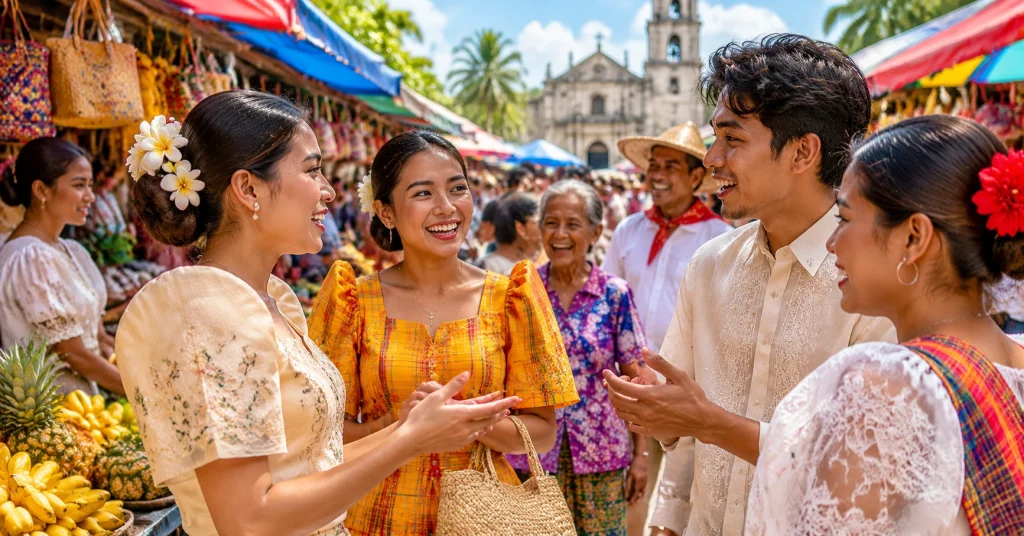
The Philippines is a nation rich in cultural diversity, with Visayan languages spoken by millions, especially in the Visayas and Mindanao regions. Understanding English to Visaya translation is essential for bridging communication gaps between the Tagalog-speaking majority and Visayan communities. This translation helps not only in everyday conversation but also in preserving local heritage and enhancing educational materials for Visayan learners.
For many Filipinos, especially those in Cebu, Iloilo, and Davao, knowing how to translate English to Visaya is a daily necessity. It also plays a significant role in local media, tourism, and business, including online platforms like Winexch Login, where communication in native languages boosts user engagement and trust. In fact, effective English to Visaya translation can enhance customer service experiences and foster stronger community connections.
Learn the nuances of English to Visaya translation easily with our helpful guide on Pagsasalin.
Explore easy tips for English to Visaya translation with helpful resources at 58jili.
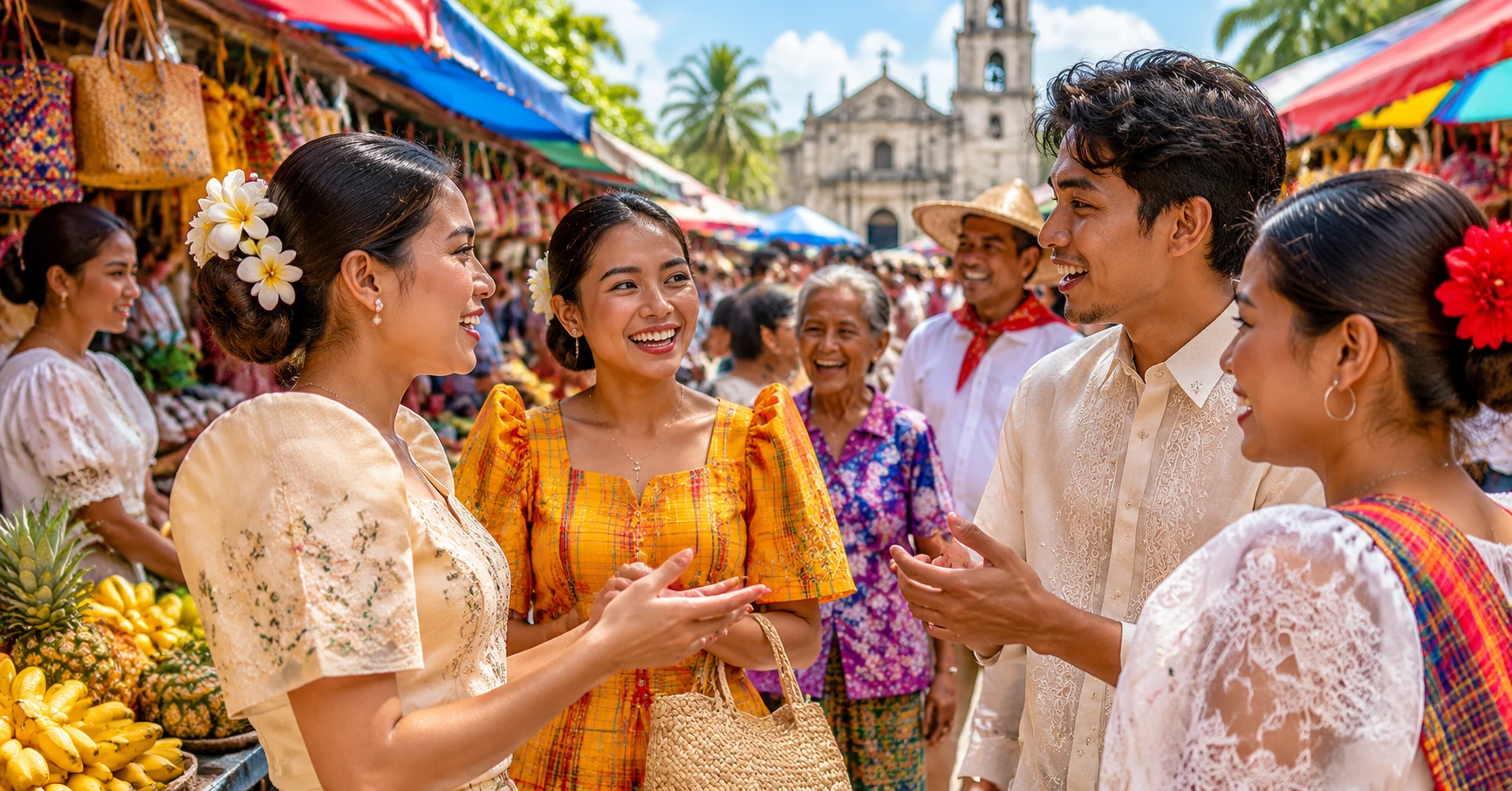
Moreover, with the rise of digital platforms, the demand for accurate English to Visaya translations has increased. Businesses and educational websites, including those requiring secure access such as Winexch Login, benefit greatly from localized content that resonates with Visayan-speaking users. This not only improves accessibility but also promotes inclusivity across diverse Filipino audiences.
Common English to Visaya Phrases for Daily Use
| English | Visaya | Pronunciation |
|---|---|---|
| Good morning | Maayong buntag | ma-a-yong boon-tag |
| How are you? | Kumusta ka? | koo-moos-ta ka |
| Thank you | Salamat | sa-la-mat |
| Yes | Oo | oh-oh |
| No | Dili | dee-lee |
These common phrases are just the beginning for anyone interested in learning Visaya. Mastering basic English to Visaya translations opens doors to deeper cultural understanding and smoother interactions in Visayan-speaking regions. Whether for travel, business, or personal enrichment, these phrases provide a solid foundation.
Regional Dialects and Variations in English to Visaya
Visayan Subdialects
The Visaya language group consists of several subdialects, including Cebuano, Hiligaynon (Ilonggo), and Waray-Waray, each with unique vocabulary and pronunciation. When translating English to Visaya, it is important to consider these regional differences to ensure accurate and culturally relevant communication.
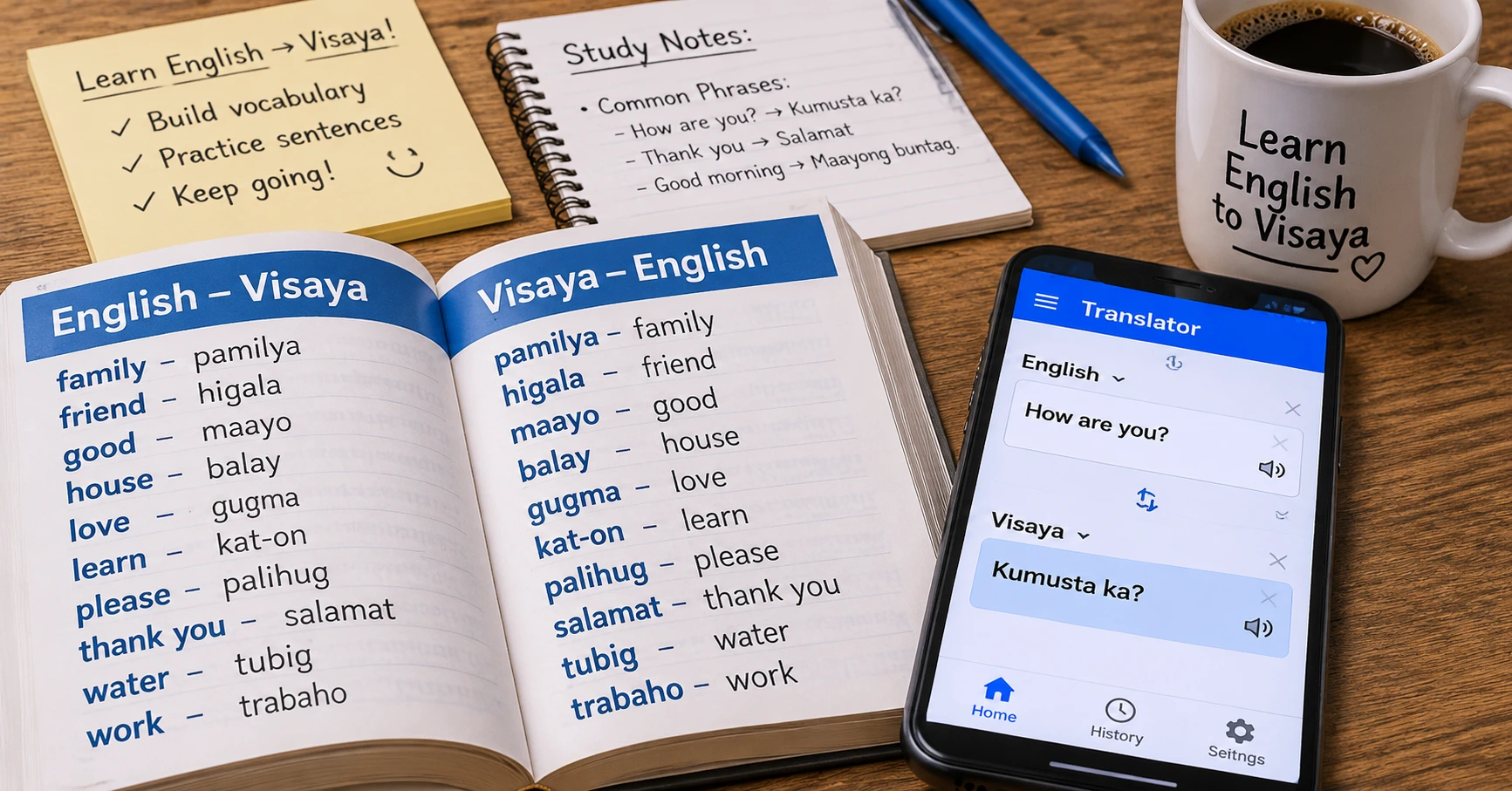
For example, the word for “thank you” in Cebuano is “Salamat,” which is widely understood, but pronunciation and usage may vary slightly in other Visayan subdialects. This diversity enriches the language but also poses challenges for translators aiming to provide precise English to Visaya translations, especially for digital platforms like Winexch Login that serve users from multiple Visayan-speaking areas.
Using Technology for English to Visaya Translation
The advancement of technology has greatly facilitated English to Visaya translation through various online tools and mobile applications. These tools help users quickly translate phrases and documents, making communication more accessible for both locals and foreigners. Additionally, platforms requiring secure access, such as Winexch Login, often incorporate multilingual support to cater to Visayan speakers, enhancing user experience.
However, while technology aids in translation, human expertise remains crucial for capturing cultural nuances and context-specific meanings. Combining automated tools with human translators ensures the highest quality of English to Visaya translations, especially for formal or sensitive content.

Learning Tips for English to Visaya Translation
To effectively learn English to Visaya translation, immersion is key. Engaging with native speakers, consuming Visayan media, and practicing common phrases daily can significantly improve proficiency. Additionally, using resources such as language apps and online dictionaries tailored for Visayan dialects can accelerate learning.
For individuals accessing platforms like Winexch Login, understanding Visaya can facilitate smoother navigation and interaction, especially when customer support or content is localized. Consistent practice and exposure to different Visayan subdialects will help learners adapt to regional language variations, making their English to Visaya skills more versatile.
Conclusion
Mastering English to Visaya translation is vital for fostering communication and cultural appreciation within the Philippines. Whether for personal, educational, or professional purposes, enhancing your understanding of Visayan languages opens up new opportunities and strengthens connections. With the support of technology and dedicated learning, anyone can improve their translation skills and engage more meaningfully with Visaya-speaking communities.
Moreover, integrating accurate English to Visaya translations into digital platforms like Winexch Login not only improves accessibility but also enriches the user experience for Visayan speakers nationwide. Embracing this linguistic diversity is a step forward in celebrating the rich cultural tapestry of the Philippines.