 Pagsasalin
 Guides
 Real Money Online Casinos
 SLOT GAME
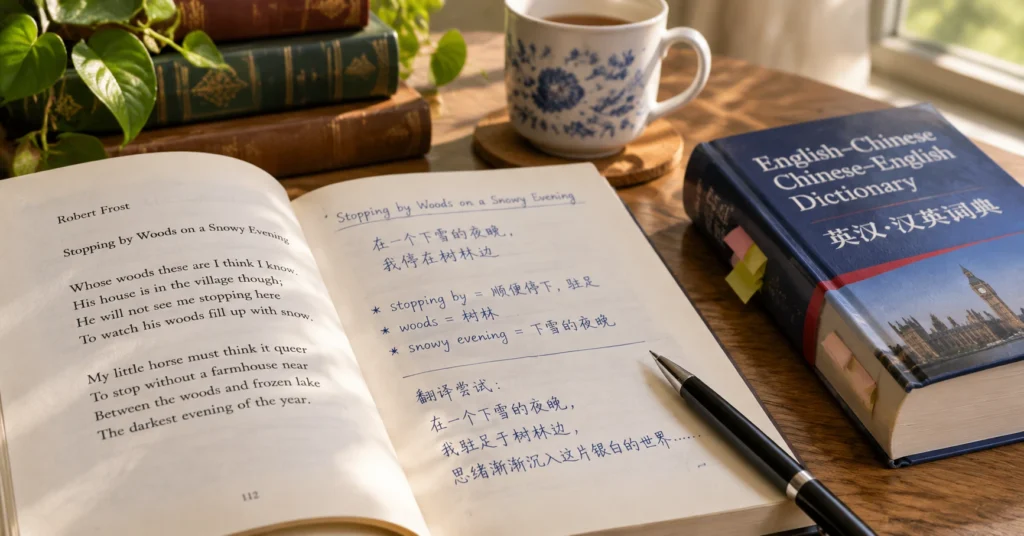
Understanding poetry translation: Art and Skill
Importance of poetry translation in Filipino
Poetry translation is an important process that opens the door to a broader understanding of different languages and cultures, especially in the Filipino context. Through this, the essence of the original poem is conveyed while nurturing the beauty of the Filipino language. In the Philippines, where culture and emotions are vibrant, translation is an art that must be cultivated. For example, poetry translation allows expressing feelings like “miss you more in Tagalog” in a more creative and meaningful way that aligns with local culture.
Process and Techniques in poetry translation
Poetry translation is not just about transferring words from one language to another. It requires a deep understanding of both language and culture to maintain the meaning, rhythm, and emotion of the original. In the Filipino setting, translators often reflect local customs and expressions to make the poem more lively and relatable. When asked, “what would you say in Tagalog?” in the context of poetry, the answer is not just a literal translation but an appropriate expression of feelings and message.
Explore the beauty and challenges of pagsasalin ng tula through insightful tips on Pagsasalin.
Explore the beauty and challenges of pagsasalin ng tula with insights from 49jili to deepen your understanding.
Literal vs. Free Translation
There are two main styles in poetry translation: literal and free. Literal follows strictly the original words and form, while free emphasizes the meaning and emotion, which may change the structure to better fit the Filipino language.
Valuing Cultural Aspects
Being sensitive to Filipino culture is very important in poetry translation to avoid misinterpretation. In the Philippines, poems often contain deep emotions, so choosing the right words is key to effective poetry translation.
Challenges in poetry translation
Poetry translation is not easy, especially in Filipino. One challenge is maintaining the metaphor, rhyme, and rhythm of the original. Sometimes, there is no exact equivalent in Filipino for certain words or expressions, so the translator must be creative. Additionally, the nuances of the original language must be conveyed without losing the meaning.

Tools for poetry translation
Currently, many online tools are used as aids in poetry translation, including Google Translate. However, these are not always suitable for poems because they do not translate metaphors and emotions well. Therefore, human touch remains important to maintain the quality of the poem.
Examples of poetry translation
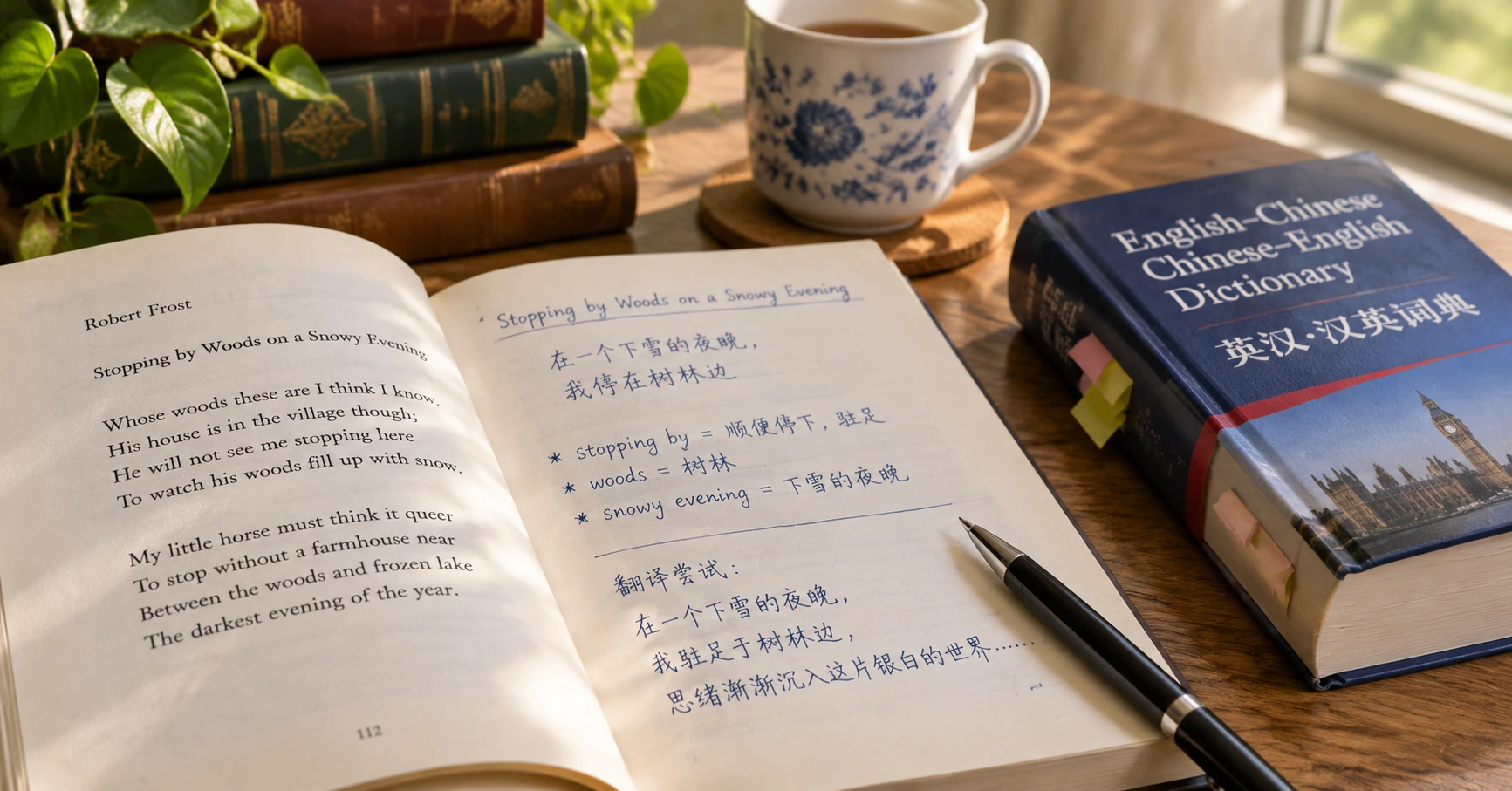
Here is a simple example of how it is done