
 Pagsasalin
 Guides
 Real Money Online Casinos
 SLOT GAME
Understanding Magagawa in English and Its Cultural Significance
What does magagawa mean in English?
The Filipino word magagawa is commonly translated as can do or able to do in English. It is derived from the root word gawa, meaning to do or to make. The prefix mag- indicates capability or possibility, thus forming magagawa which expresses potential or ability. This makes magagawa in English a useful term when describing someone’s capacity to perform an action or task.
Understanding the nuances of magagawa in English helps learners of Filipino appreciate how language reflects cultural attitudes toward ability and possibility. It is not just about doing something, but about the potential and willingness to do it.
To understand magagawa in english, you can explore Pagsasalin for accurate translation and cultural context.
To learn more about the meaning of magagawa in english, check out jlbet.

English translation of magagawa
In English, magagawa can be translated as can do or will be able to. It emphasizes the capacity or potential of a person or entity to perform a task or activity. For example, in a sentence:
“Kaya niyang gawin ito,” which means He/She can do it.
This simple phrase highlights the core meaning of magagawa in English, showing the direct correlation between Filipino and English expressions of ability. It is essential for effective communication, especially for those learning Filipino as a second language or English speakers trying to understand Filipino phrases.
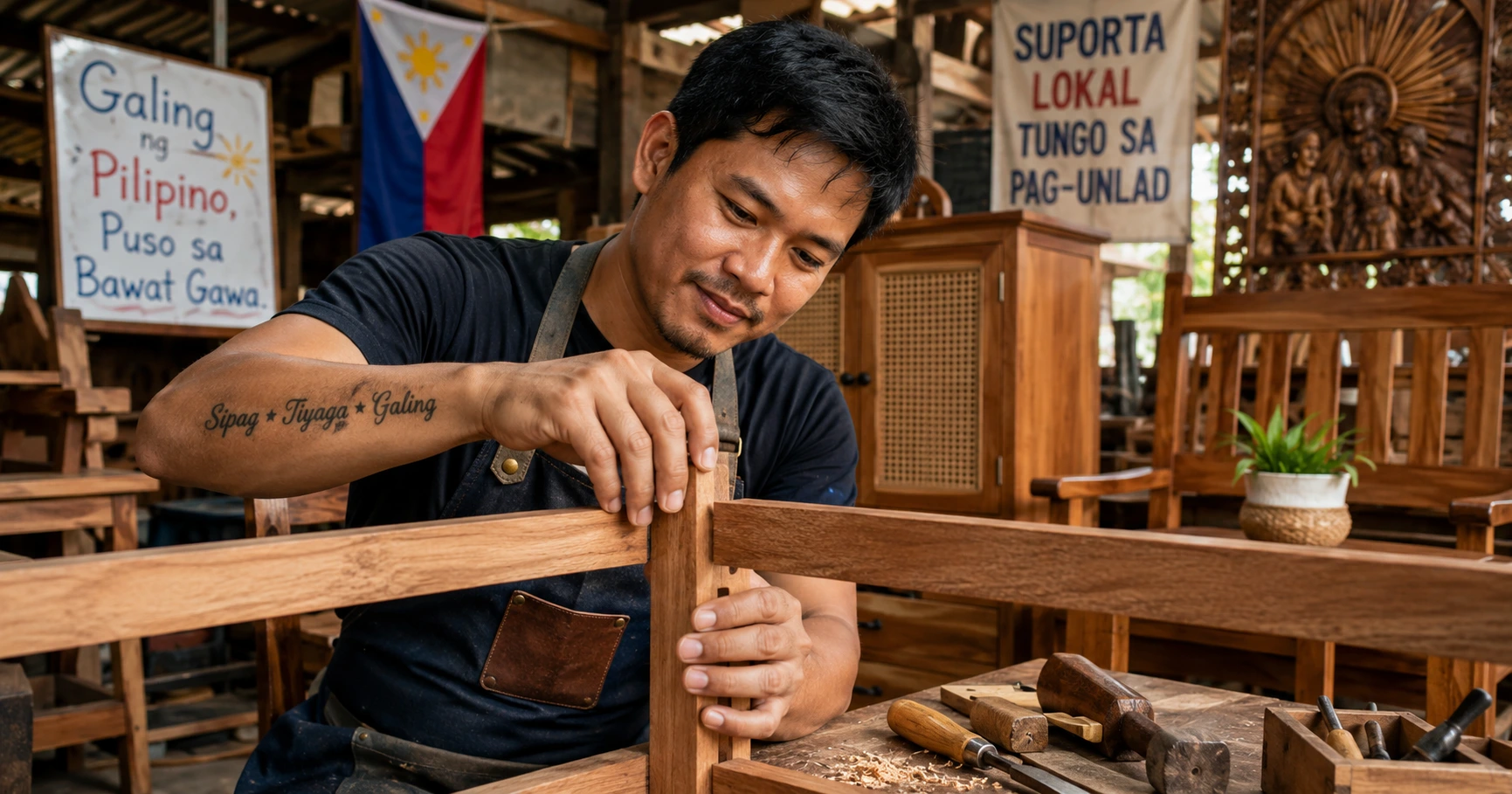
How is magagawa used in daily conversations?
In everyday Filipino conversations, magagawa is often used to express ability or permission. It is common in questions like:
- “Magagawa mo ba ito?” — Can you do this?
- “Kaya kong gawin iyon, magagawa ko.” — I can do that, I am capable.
The term is also used in expressing future potential or willingness to undertake tasks, reflecting Filipino cultural traits of optimism and resilience. Its usage reveals how Filipinos view challenges as opportunities to demonstrate their magagawa spirit, or capability.
Moreover, understanding magagawa in English helps in grasping Filipino communication styles, which often balance humility with confidence. This balance is evident when someone says they magagawa something, implying both readiness and respect for the task’s difficulty.
Sample Sentences and Examples
| Filipino Sentence | English Translation |
|---|---|
| Kaya niyang ayusin ang kotse. | He/She can fix the car. |
| Magagawa mo ba ang proyekto sa oras? | Can you do the project on time? |
| Hindi ko pa magagawa ang trabaho ngayon. | I cannot do the work right now. |
Understanding mahal in Bicol language
In exploring Filipino language and culture, it is helpful to also understand related terms such as mahal in Bicol language. The word mahal in many Filipino dialects, including Bicol, means love or expensive, depending on context. In the Bicol language, mahal often conveys deep affection and importance, similar to its Tagalog counterpart.
This connection between magagawa in English and related cultural terms like mahal in Bicol language illustrates the richness of Filipino languages and how words carry layered meanings. Both terms reflect values—magagawa highlighting ability and potential, and mahal emphasizing love and value.
Cultural significance of magagawa in Filipino society
The concept of magagawa carries significant cultural weight in Filipino society. It embodies the Filipino spirit of resourcefulness and determination, often celebrated as a positive trait. When someone says they magagawa something, it reflects not only their ability but also their commitment to fulfill responsibilities.
This cultural value aligns with the Filipino emphasis on community and helping others, where being able to contribute or assist is highly regarded. The term magagawa thus transcends mere capability and becomes a symbol of trustworthiness and readiness to help.
In summary, understanding magagawa in English and related terms like mahal in Bicol language enriches one’s appreciation of Filipino language and culture. These words offer insight into the Filipino worldview, where ability, love, and value are deeply intertwined.