
 Pagsasalin
 Guides
 Real Money Online Casinos
 SLOT GAME
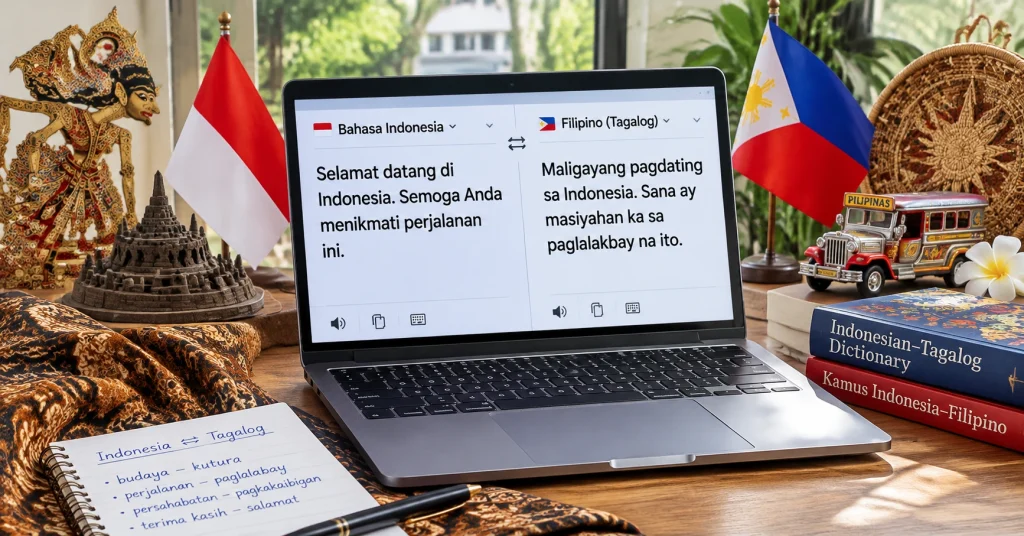
Understanding Indo to Tagalog Translation: Bridging Languages and Cultures
The process of indo to tagalog translation is more than just converting words from Indonesian to Tagalog; it is about connecting two distinct cultures and linguistic traditions. Both languages belong to the Austronesian family, which provides some common ground, but their unique evolutions have created significant differences in vocabulary, grammar, and usage. For those seeking to understand or communicate across these languages, accurate translation is essential for preserving meaning and intent.
In today’s globalized world, the need for reliable indo to tagalog translation services is increasing, especially in areas such as business, education, tourism, and digital communication. Filipino and Indonesian communities often interact through trade, cultural exchange, and migration, making translation a vital tool for mutual understanding and cooperation.
Explore the nuances of Indo to Tagalog translation and enhance your language skills with Pagsasalin.
For seamless Indo to Tagalog translation, check out the helpful resources available at jl11 login.
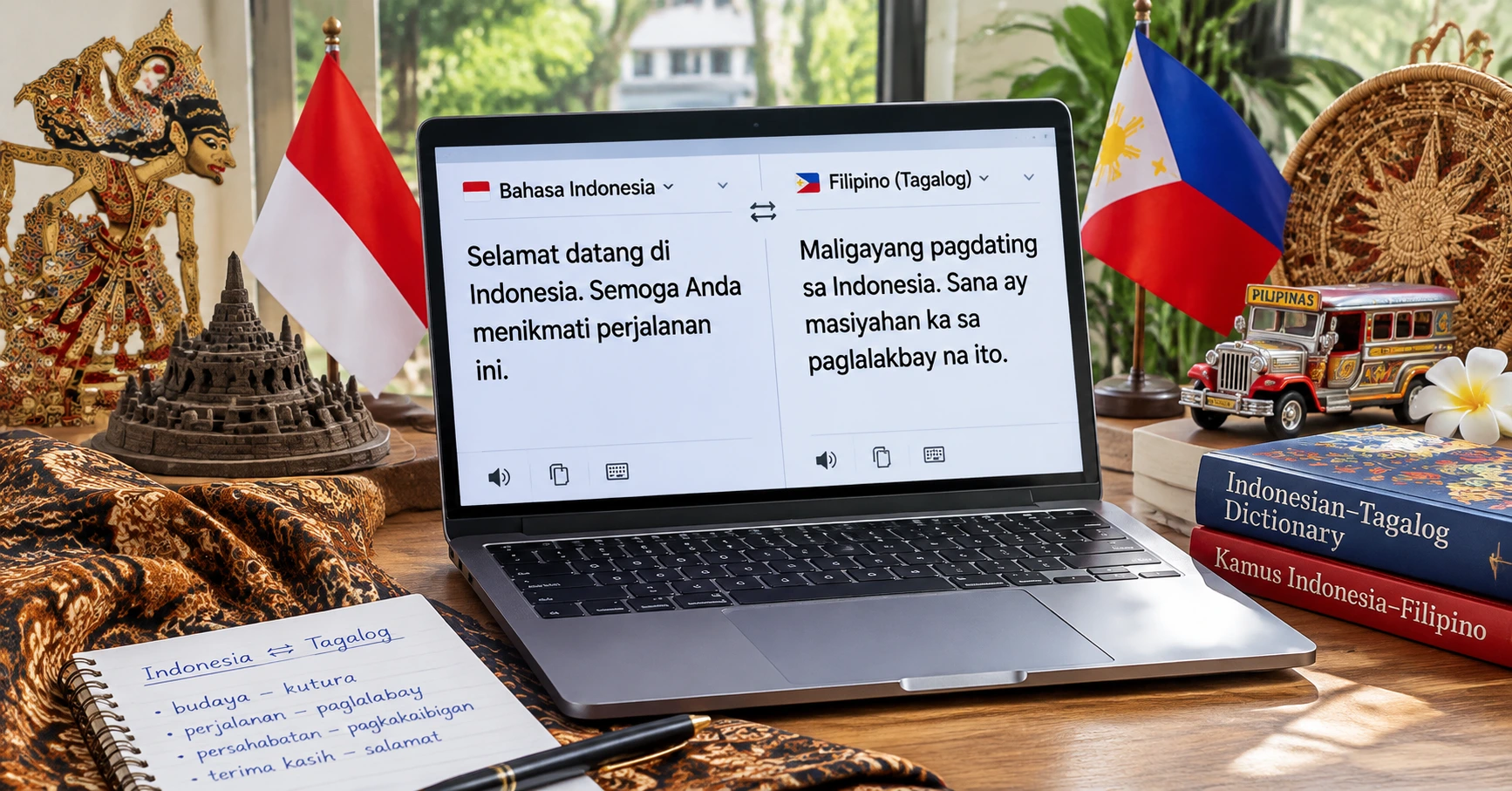
Popular Tools for Indo to Tagalog Translation
When it comes to indo to tagalog translation, several tools and platforms help Filipino users translate efficiently, especially for online content, communication, and learning. Among these, google.translate stands out as a reliable option. It offers instant translations and supports many languages, including Indonesian and Tagalog. Additionally, those who want to translate tagalog to korean language can also find Google Translate useful, providing a seamless experience in multi-language translations.
Besides Google Translate, there are specialized translation apps and websites focusing on Southeast Asian languages that offer more context-aware translations. These tools often incorporate user feedback and cultural notes to improve accuracy. For professional use, translation agencies and freelance translators who specialize in indo to tagalog translation provide services that ensure linguistic and cultural accuracy beyond what automated tools can offer.
Common Challenges in Indo to Tagalog Translation
Despite advances in technology, translating between Indonesian and Tagalog still faces hurdles. The differences in grammar, syntax, and cultural idioms often cause inaccuracies in automated translations. Filipino users often notice that direct translation tools may not capture the nuances of local expressions or slang that are common in both Indonesian and Tagalog languages. To overcome these, human translators familiar with both cultures are invaluable, ensuring the meaning is conveyed accurately and naturally.
Furthermore, idiomatic expressions and culturally specific references can be difficult to translate directly. For example, certain proverbs or colloquial phrases in Indonesian may lack an exact equivalent in Tagalog, requiring translators to find creative and contextually appropriate alternatives. This complexity is also evident when users attempt to translate tagalog to korean language, where cultural and linguistic differences are even more pronounced.
Local Cultural Influence on Indo to Tagalog Translation
Filipino culture, rich in traditions and modern influences, plays a significant role in how languages are understood and translated. For example, common Filipino hospitality and expressions of respect affect the tone and choice of words in Tagalog translations. Understanding these cultural contexts is essential for indo to tagalog translation, especially for businesses looking to engage Filipino audiences authentically. Likewise, Indonesian culture, with its unique customs and expressions, influences the original text’s tone and meaning.
Cultural sensitivity in translation helps avoid misinterpretations and fosters better communication. For instance, religious references, social norms, and historical contexts embedded in language require translators to have cultural awareness. This is particularly important in marketing, legal documents, and educational materials where precise and respectful language use is critical.
Language Use Statistics in Indo to Tagalog Translation
| Category | Data |
|---|---|
| Number of Tagalog Speakers Worldwide | Approximately 28 million |
| Number of Indonesian Speakers | Over 43 million |
| Average Daily Use of Google.Translate in the Philippines | 2.5 million searches |
| Filipino Users Searching to Translate Tagalog to Korean Language | Over 50,000 monthly |
| Growth of Online Language Learning Platforms (Year-over-Year) | +25% |
Future Trends in Indo to Tagalog Translation
The demand for accurate and culturally relevant indo to tagalog translation is expected to grow significantly in the coming years. Advances in artificial intelligence and machine learning are improving the capabilities of tools like google.translate, making automated translations more context-aware and reliable. However, the role of human translators remains crucial for capturing subtle cultural nuances and ensuring the highest quality of translation.
Additionally, as more Filipino users seek to translate tagalog to korean language and vice versa, multilingual translation platforms are evolving to support a broader range of language pairs. This trend reflects the increasing interconnectedness of global communities and the need for seamless communication across diverse languages.
Education and business sectors are also investing in language learning and translation services to facilitate better collaboration between Indonesia, the Philippines, and other Asian countries. As these trends continue, the importance of effective indo to tagalog translation will only become more pronounced, supporting cultural exchange, economic growth, and mutual understanding.