
 Pagsasalin
 Guides
 Real Money Online Casinos
 SLOT GAME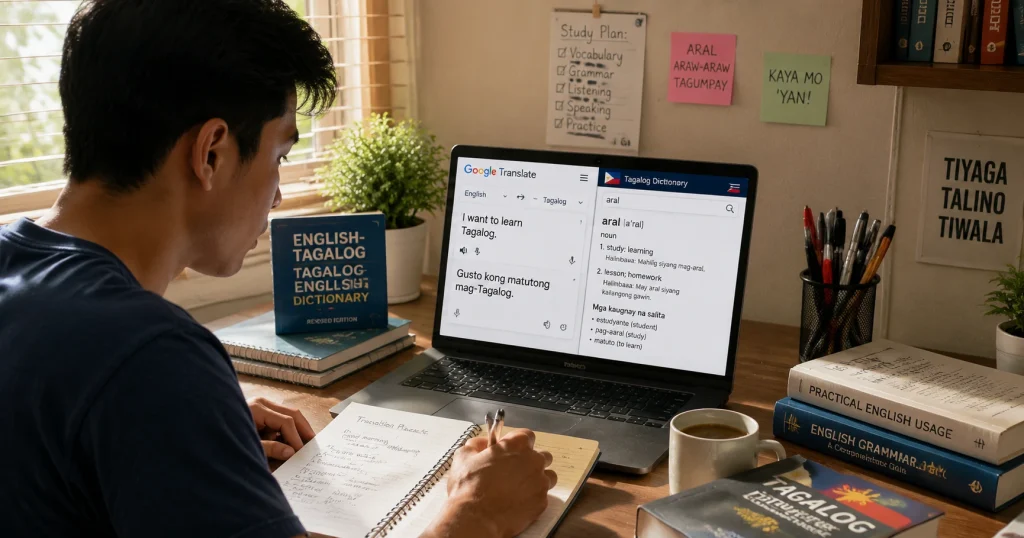
Understanding English 5o Tagalog: A Guide for Filipino Learners
The Significance of English 5o Tagalog in Filipino Culture
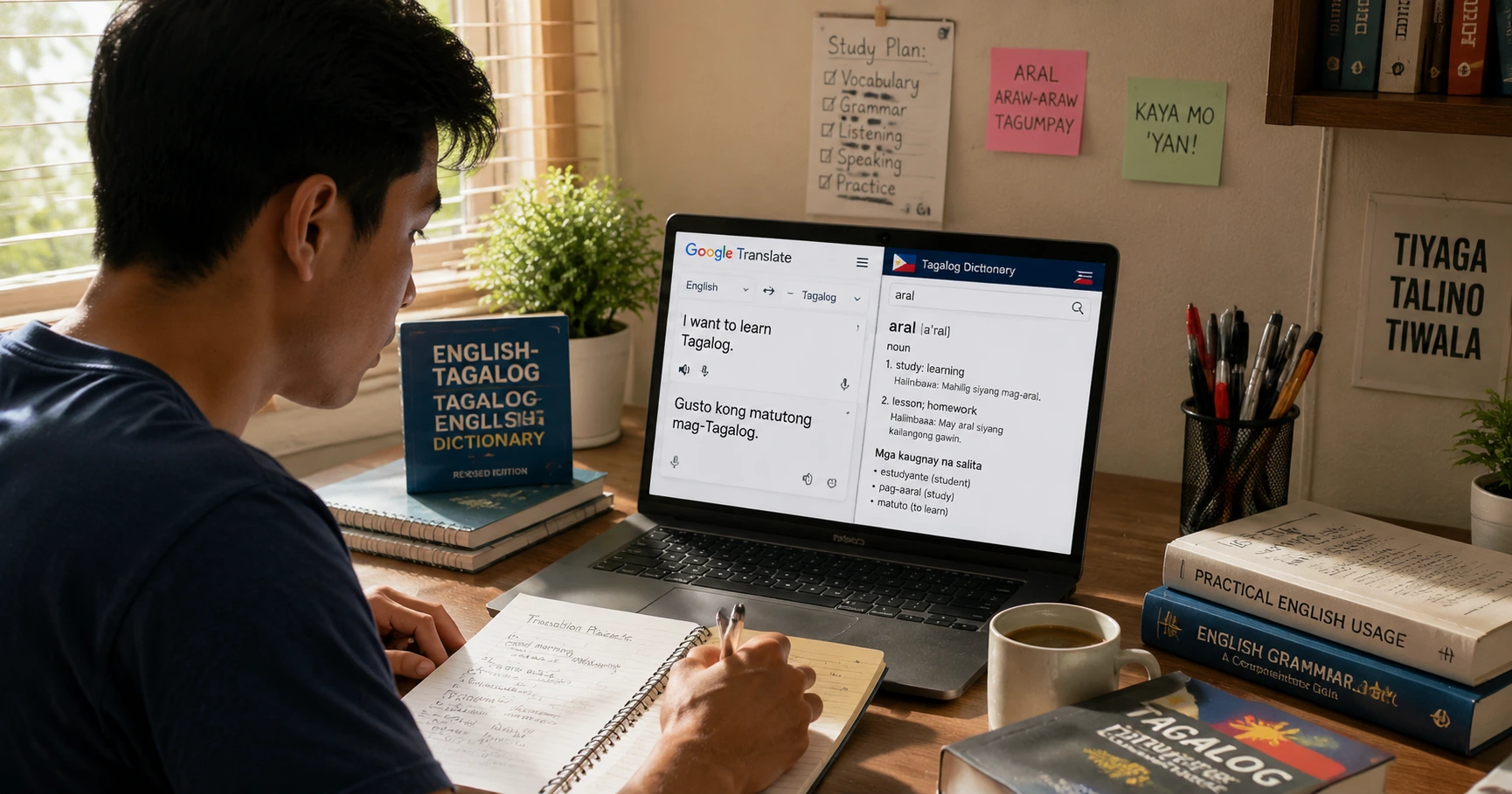
The process of translating English 5o Tagalog plays a vital role in bridging communication gaps among Filipinos, especially in education, media, and daily interactions. With the Philippines being a bilingual nation, mastering the art of translation enhances understanding and preserves cultural nuances. As Filipino society continues to evolve, the demand for accurate and culturally sensitive translations increases, making tools like Google Translate Name to Chinese and the tagalog best translator to english essential for both casual and professional use.
Moreover, English 5o Tagalog translation supports the preservation of Filipino identity by ensuring that indigenous expressions and cultural values are effectively communicated. This is particularly important in literature, government communication, and community programs where language plays a crucial role in shaping public perception and fostering national unity. The integration of reliable translation tools helps maintain linguistic accuracy while promoting inclusivity across diverse Filipino communities.
Learn how to translate between English and Tagalog with Pagsasalin for accurate language conversion.
For a smooth translation experience, check out jl777 when exploring english 5o tagalog.
Historical Background of English and Tagalog Language Interplay
| Period | Event |
|---|---|
| Pre-1900s | Spanish colonization influence |
| 1900s | American occupation enhances English use |
| 1950s | Formal inclusion of English in education |
| 2000s | Globalization boosts English proficiency |
| Present | Bilingual policies in schools and media |
Practical Applications of English 5o Tagalog
Educational Settings
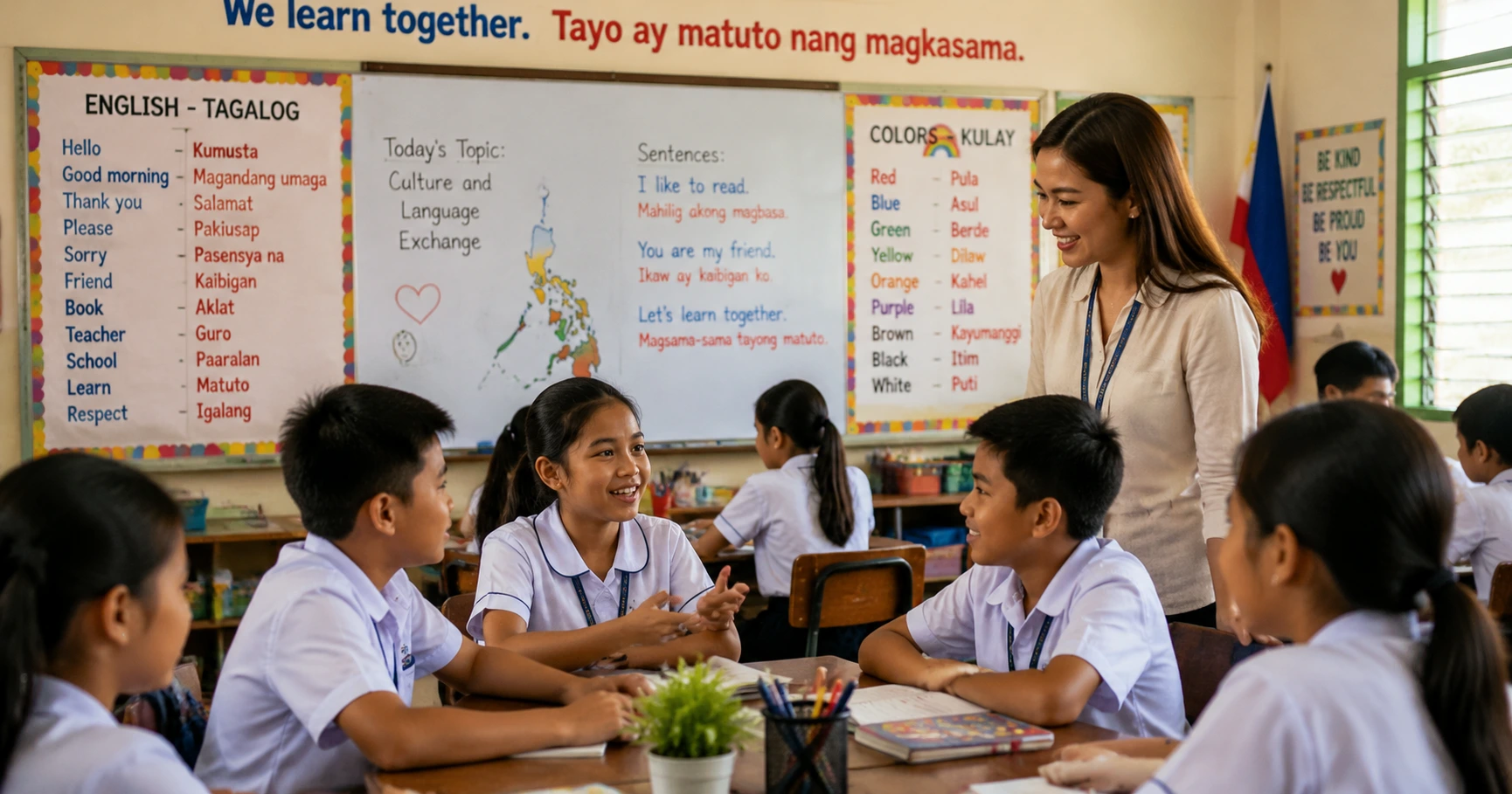
In Filipino schools, the translation of English 5o Tagalog is crucial for effective teaching. It helps students better understand complex concepts, especially in science and mathematics, where technical terms need accurate translation. Educational materials often require localization to resonate with Filipino learners, incorporating local idioms and cultural references.
Teachers and educators frequently rely on trusted tools such as the tagalog best translator to english to ensure clarity and precision. These tools assist in creating bilingual resources that cater to diverse student populations, enhancing comprehension and academic performance. Furthermore, the use of Google Translate Name to Chinese and similar platforms extends the reach of educational content to multilingual Filipino families, promoting inclusiveness.
Media and Entertainment
Filipino media extensively use English 5o Tagalog translations to reach wider audiences. TV shows, movies, and social media content benefit from precise translation tools like Google Translate Name to Chinese, ensuring content remains engaging and culturally relevant. This practice not only promotes inclusivity but also enhances the entertainment experience for local viewers.
With the rise of digital platforms, the demand for quick and accurate translation has surged. Content creators often utilize the tagalog best translator to english services to adapt foreign content for Filipino audiences, maintaining the original message’s tone and context. This dynamic exchange enriches the local entertainment industry and fosters cross-cultural appreciation.
Key Challenges in English 5o Tagalog Translation
Despite advances in translation technology, several challenges persist in the accurate conversion of English to Tagalog. Linguistic differences such as syntax, idiomatic expressions, and cultural references often complicate direct translation. Translators must balance literal accuracy with cultural relevance to avoid misinterpretation.
Another challenge lies in the limitations of automated tools like Google Translate Name to Chinese when applied to English 5o Tagalog contexts. While these tools provide quick translations, they may lack the nuance required for sensitive or complex texts. Consequently, the tagalog best translator to english services that combine human expertise with technology remain indispensable for high-quality translation outcomes.
Ongoing efforts to improve translation accuracy include developing specialized glossaries, enhancing machine learning algorithms, and promoting bilingual education. These initiatives aim to support Filipino learners and professionals in navigating the evolving linguistic landscape effectively.