
 Pagsasalin
 Guides
 Real Money Online Casinos
 SLOT GAME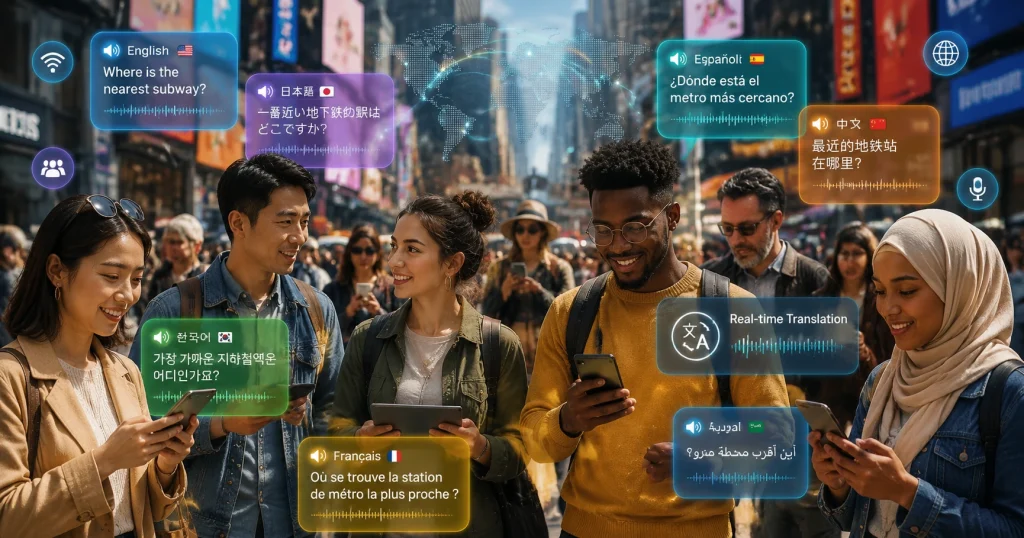
Understanding Google Translate: Its Role and Impact in Language Localization
Real-time Language Translation
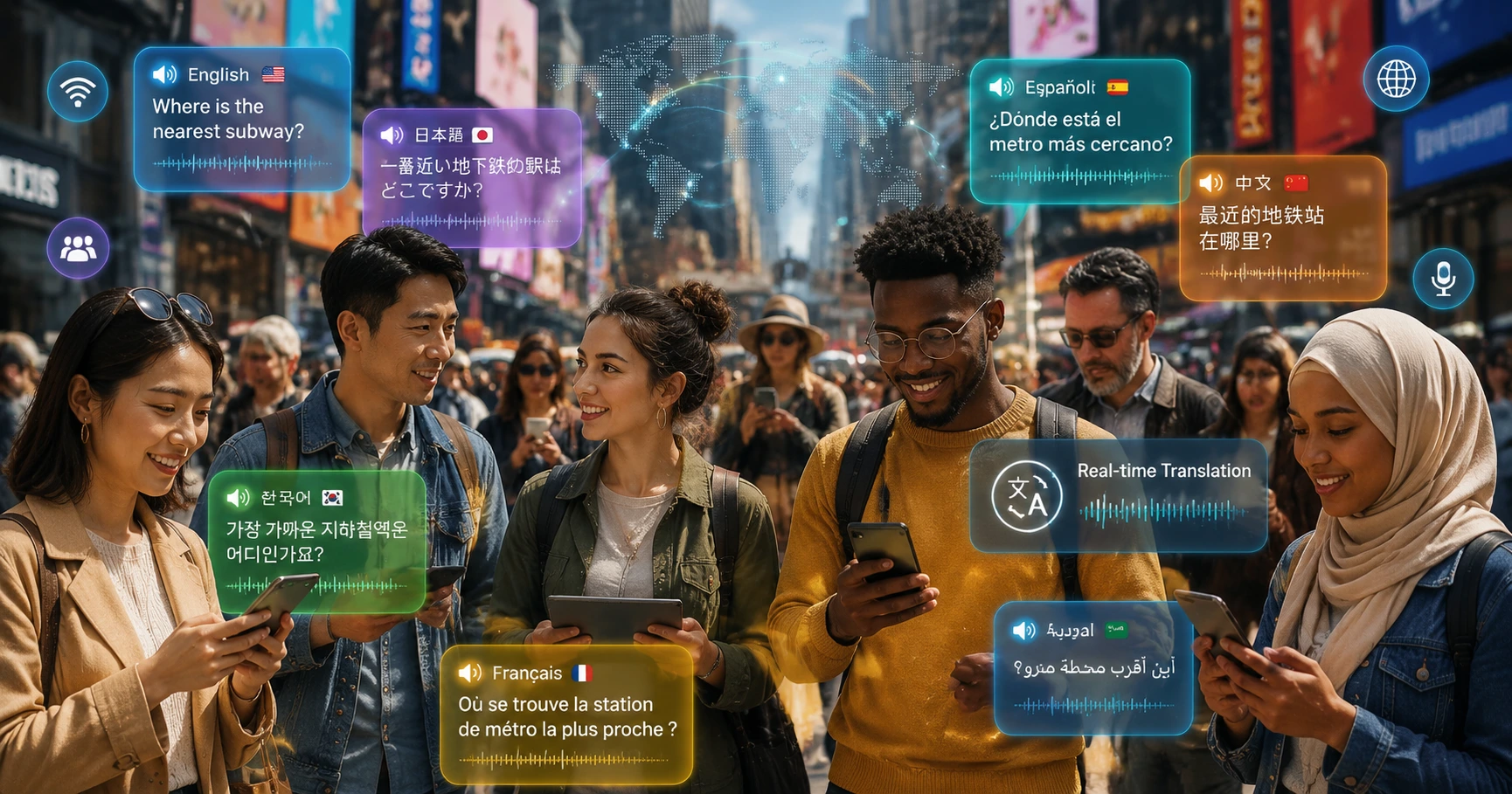
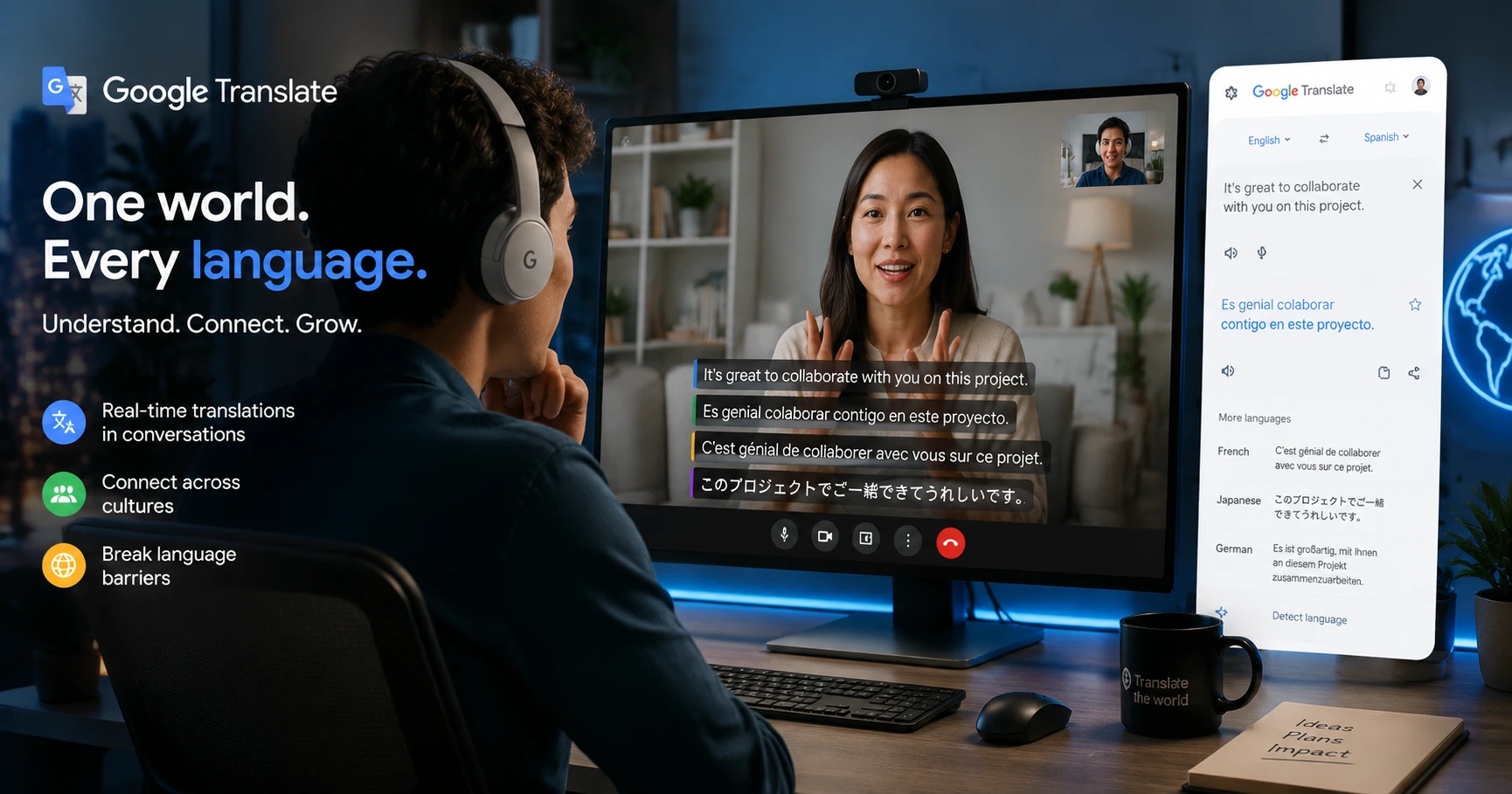
One of the most remarkable features of Google Translate is its ability to provide real-time language translation. Users from the Philippines and around the world can instantly translate text, speech, or even images. This capability has revolutionized communication, especially in multicultural communities like the Philippines where Tagalog, Ilocano, Cebuano, and other regional languages are widely spoken. The real-time translation feature supports seamless conversations and enhances cross-cultural understanding, making it essential for travelers, students, and businesses.
Additionally, the real-time translation feature is invaluable in emergency situations, where quick comprehension between different language speakers can be critical. It also aids in educational settings, allowing students to access resources in foreign languages and translate them into their native tongues, such as translating to English to Ilocano. This practical use of Google Translate helps bridge educational gaps and promotes inclusivity.
Learn how Pagsasalin can help bridge language gaps and enhance communication worldwide.
For accurate translations, many users rely on jl88 to bridge language gaps effectively.
Support for Multiple Languages
Google Translate supports over 100 languages, including Filipino dialects such as Tagalog and Cebuano. This extensive language support makes it a vital tool for the Philippines, where regional languages are an integral part of daily life. Whether translating documents, websites, or chat conversations, users can easily switch between languages to bridge communication gaps and foster international collaborations. The secondary keywords, such as translate to English to Ilocano and meaning of pagsasalin, highlight the platform’s versatility in translating diverse language pairs, including regional dialects.
The platform’s ability to handle multiple languages also supports cultural preservation. By enabling translations between major global languages and local dialects, Google Translate helps keep indigenous languages like Ilocano relevant in the digital age. This feature encourages users to explore and learn about the meaning of pagsasalin, or translation, fostering appreciation for linguistic diversity.
Integration with Google Services
Google Translate seamlessly integrates with other Google services such as Google Chrome, Gmail, and Google Docs. This integration allows users to translate emails, web pages, and documents without leaving the platform, enhancing productivity and ease of use. For Filipino users, this means they can quickly translate important communications or research materials, including translating to English to Ilocano, directly within their workflow.
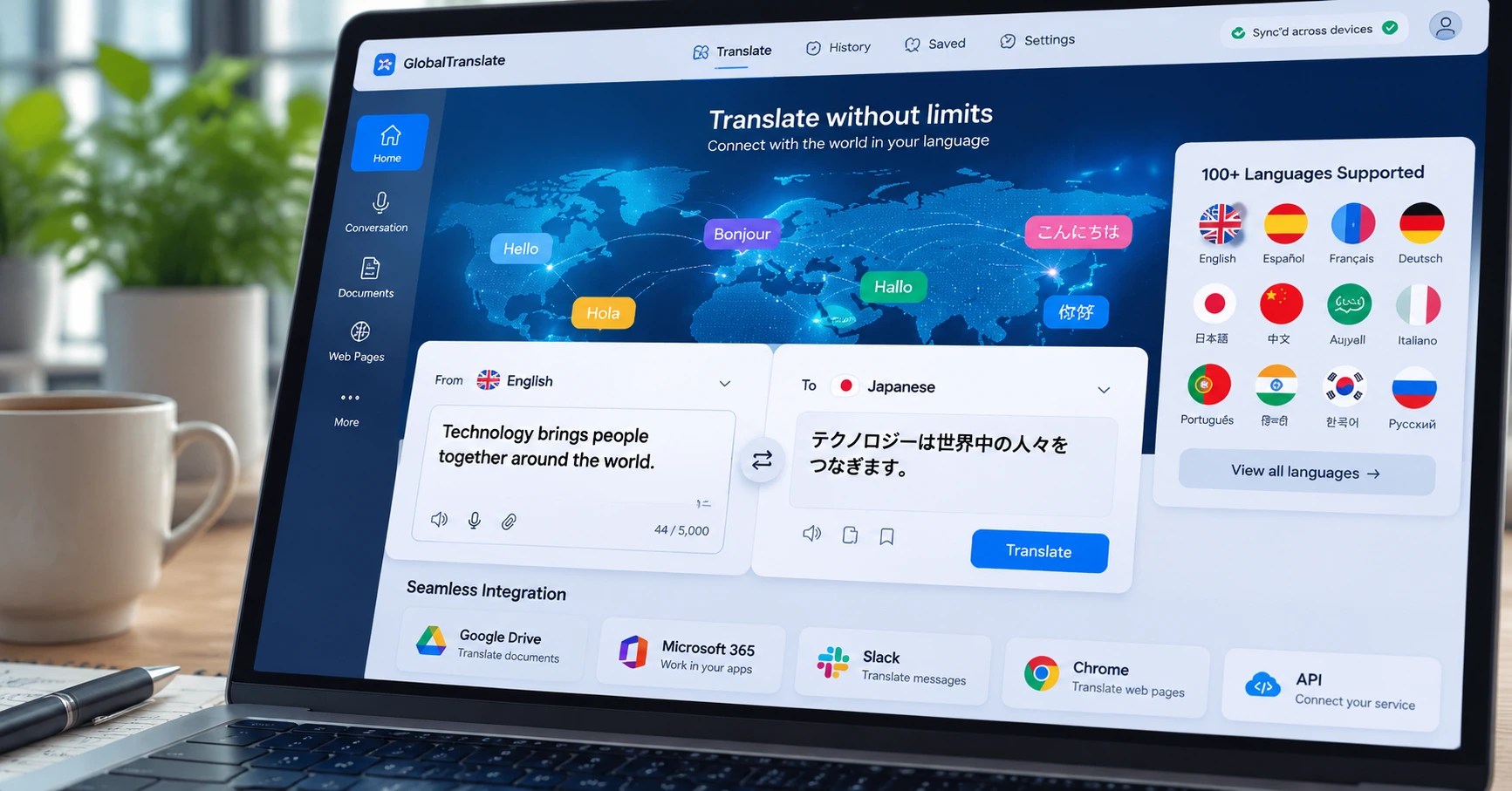
Moreover, integration with mobile Google apps ensures that users have access to translation tools anytime and anywhere. This mobility is essential in the Philippines, where many rely on smartphones for internet access. The convenience of integrated translation tools supports daily communication, business transactions, and social interactions across language barriers.
Origins of Google Translate
Launched in 2006, Google Translate initially used statistical machine translation technology. Over the years, it has evolved into a neural machine translation system that offers more accurate and natural translations. The platform’s development was driven by the need to facilitate global communication, especially within multilingual countries like the Philippines. The continuous updates have significantly improved its ability to handle complex sentences and idiomatic expressions, including local Filipino idioms and slang.
The evolution from statistical to neural machine translation marked a significant leap in the quality of translations. This advancement allows Google Translate to better understand context, grammar, and the subtle nuances of languages. For users seeking to translate to English to Ilocano or grasp the meaning of pagsasalin, this means more reliable and contextually appropriate translations that reflect the richness of the source language.
Major Updates and Improvements
Recent updates to Google Translate include AI-powered translation models, improved voice recognition, and offline capabilities. These enhancements are particularly beneficial in the Philippines, where internet connectivity can vary across regions. The platform now better understands context and nuances, making translations more meaningful. Users can also access translations via mobile devices, supporting the country’s high mobile usage rates, especially among OFWs and digital natives.
Offline translation support has been a game-changer for many Filipino users who face intermittent connectivity. By downloading language packs, users can continue to translate essential information without an internet connection. This feature is especially useful for rural areas and during travel within the archipelago, ensuring that the benefits of Google Translate are accessible to a broader audience.
Localization for Filipino Languages
Localization is crucial for effective communication. Google Translate has incorporated Filipino languages and dialects, allowing users to translate pagsasalin in various contexts. This feature assists Filipino learners, educators, and travelers in understanding local expressions and cultural nuances. The platform’s ability to translate to English to Ilocano and other dialects supports the Philippines’ rich linguistic diversity, making it easier to preserve and promote regional languages.
Moreover, localization efforts by Google Translate contribute to digital inclusivity by providing language tools that cater to minority language speakers. This not only aids in everyday communication but also empowers communities to participate more fully in the digital economy and access vital services. Understanding the meaning of pagsasalin within these languages enriches cultural exchange and helps maintain the Philippines’ multilingual heritage.
Integration with Filipino Digital Market
The integration of Google Translate with the Filipino digital market has boosted e-commerce, tourism, and online education. Businesses can now reach wider audiences by offering multilingual support, while tourists benefit from easier navigation and communication. The ability to quickly translate product descriptions, customer reviews, and travel information enhances user experience and trust.
For Filipino entrepreneurs and content creators, Google Translate provides a valuable tool to translate content accurately and efficiently. Whether translating to English to Ilocano or other language pairs, the platform helps expand market reach and promotes cultural understanding across diverse Filipino communities. This digital synergy supports the growth of the Philippines as a multilingual and multicultural hub in the global economy.