
 Pagsasalin
 Guides
 Real Money Online Casinos
 SLOT GAME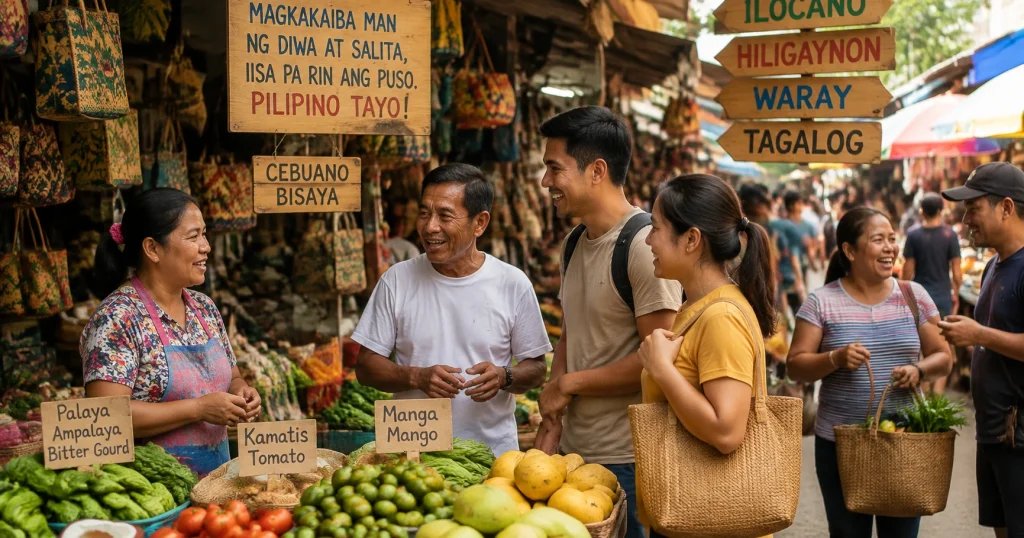
Understanding Ilokano to Tagalog: Language Translation and Cultural Insights
The Filipino language is rich in diversity, with various regional dialects and languages such as Ilokano to Tagalog translation playing a vital role in communication across the Philippines. As the nation embraces globalization, the importance of accurate translation, especially between Ilokano to Tagalog, has increased significantly. This article explores the nuances, challenges, and cultural significance of translating from Ilokano to Tagalog, along with related topics like Filipino Spanish translation and local language trends.
Understanding the linguistic differences between Ilokano and Tagalog is essential for effective translation. Ilokano, being one of the major regional languages spoken primarily in Northern Luzon, has its own syntax, vocabulary, and phonetic systems that differ from Tagalog, the basis of the national language Filipino. Translators working on Ilokano to Tagalog projects must be sensitive to these differences to maintain the original meaning and cultural context.
Learning about Pagsasalin from Ilokano to Tagalog can help bridge cultural gaps and improve communication across the Philippines.
Discover how pk7 facilitates smooth Ilokano to Tagalog translations for better communication across the Philippines.
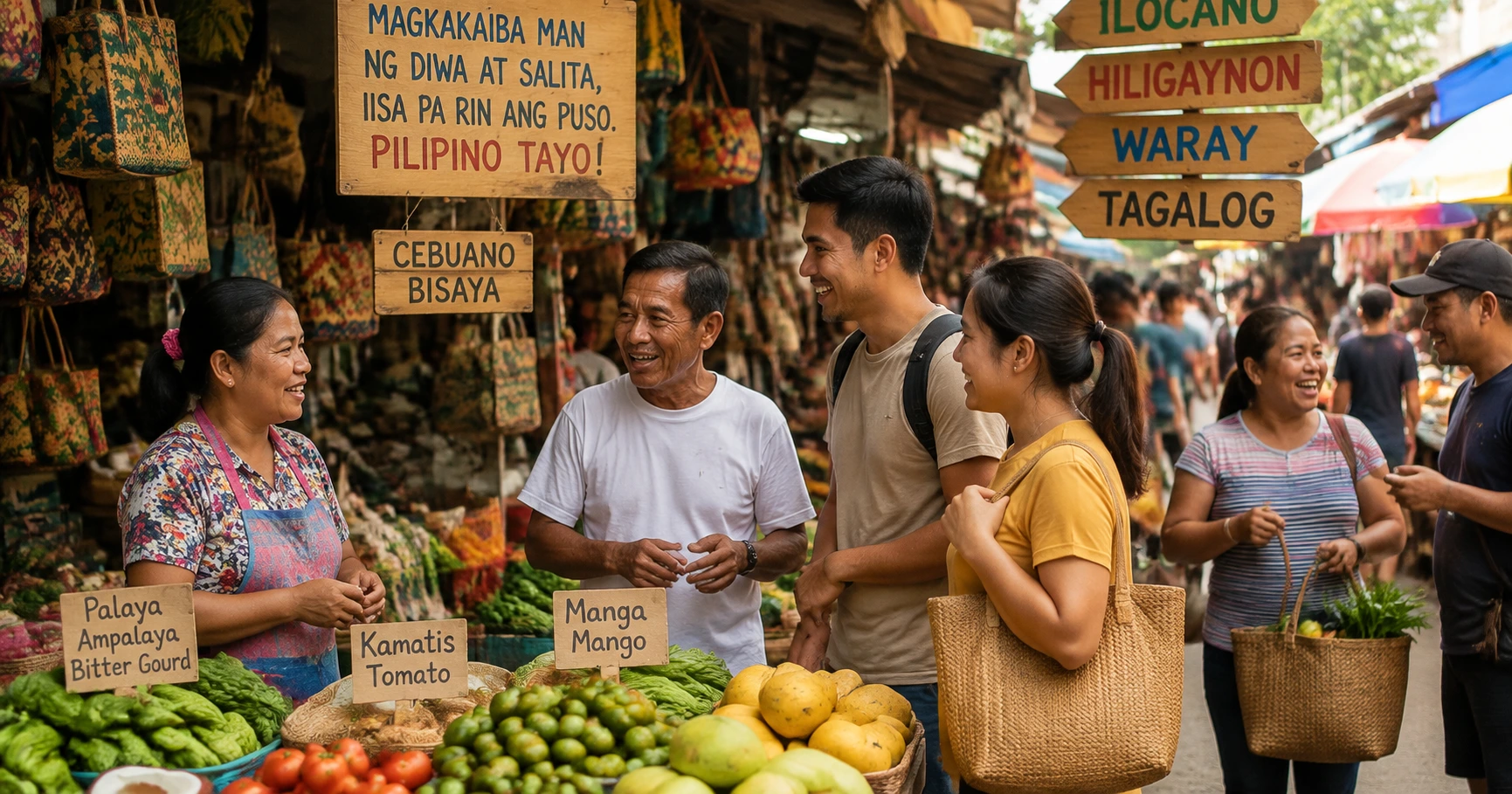
Moreover, the rise of digital communication and social media platforms has increased the demand for quick and reliable Ilokano to Tagalog translation services. This demand extends to educational materials, government communications, and entertainment, where language accessibility ensures inclusiveness. Similarly, the interest in Filipino Spanish translation reflects the historical ties between the Philippines and Spain, making it another important area for cultural and linguistic exchange.
The Significance of Ilokano to Tagalog Translation in Filipino Culture
Translating Ilokano to Tagalog is more than just converting words; it is about bridging cultural gaps and fostering understanding among diverse Filipino communities. The Ilokano language, spoken predominantly in Northern Luzon, encapsulates unique traditions, idiomatic expressions, and values that are integral to regional identity. When these are translated into Tagalog, the national language, there’s an opportunity to preserve these cultural elements while making communication accessible to a broader audience.
The preservation of indigenous languages like Ilokano through translation efforts also supports cultural heritage and identity among younger generations. Many Ilokano speakers value the ability to share their stories and customs in Tagalog, which acts as a lingua franca across the Philippines. This dynamic strengthens national unity while respecting regional diversity.

Importance in Business and Education
Effective Ilokano to Tagalog translation is crucial in sectors like business, education, and government services. Accurate translation ensures that regional stories, legal documents, and educational materials are correctly understood, promoting inclusivity and development. As Filipino society continues to modernize, the demand for reliable translation services, especially for Filipino Spanish translation, has grown to accommodate historical and cultural exchanges.
In education, Ilokano to Tagalog translation facilitates learning by providing students access to resources in both their native language and the national language. This bilingual approach helps improve comprehension and academic performance. Additionally, businesses operating in Northern Luzon benefit from translations that cater to local customers while connecting with the broader Tagalog-speaking market.
Latest Trends and Statistics in Filipino Language Translation
| Language Pair | Usage Percentage |
|---|---|
| Ilokano to Tagalog | 35% |
| Filipino to English | 40% |
| Filipino Spanish translation | 15% |
| Cebuano to Tagalog | 10% |
| Ilocano to English | 20% |
These statistics highlight the growing need for Ilokano to Tagalog translation services, which account for a significant portion of language translation usage in the Philippines. The prominence of Filipino Spanish translation also reflects the ongoing interest in connecting the Philippines’ colonial past with its present-day linguistic landscape. As language technology advances, the accuracy and accessibility of these translations continue to improve, benefiting both local communities and international audiences.
In conclusion, the role of Ilokano to Tagalog translation is indispensable in preserving cultural heritage, enhancing communication, and supporting socio-economic development in the Philippines. Whether in education, business, or cultural exchange, understanding and investing in quality translation services will continue to strengthen the nation’s linguistic unity and diversity.